
Discover Sapa Through a Walking Tour With Local Guides
Nestled in Vietnam's misty northern mountains, Sapa is a land of emerald rice terraces, colorful ethnic cultures, and breathtaking highland landscapes. But beyond the stunning scenery lies something truly special - the chance to explore Sapa on foot, guided by the very people who call it home.
Our local walking tours in Sapa, led by local ethnic minority guides, take you on an immersive journey into the heart of this unique destination - uncovering its culture, hidden paths, and everyday life.
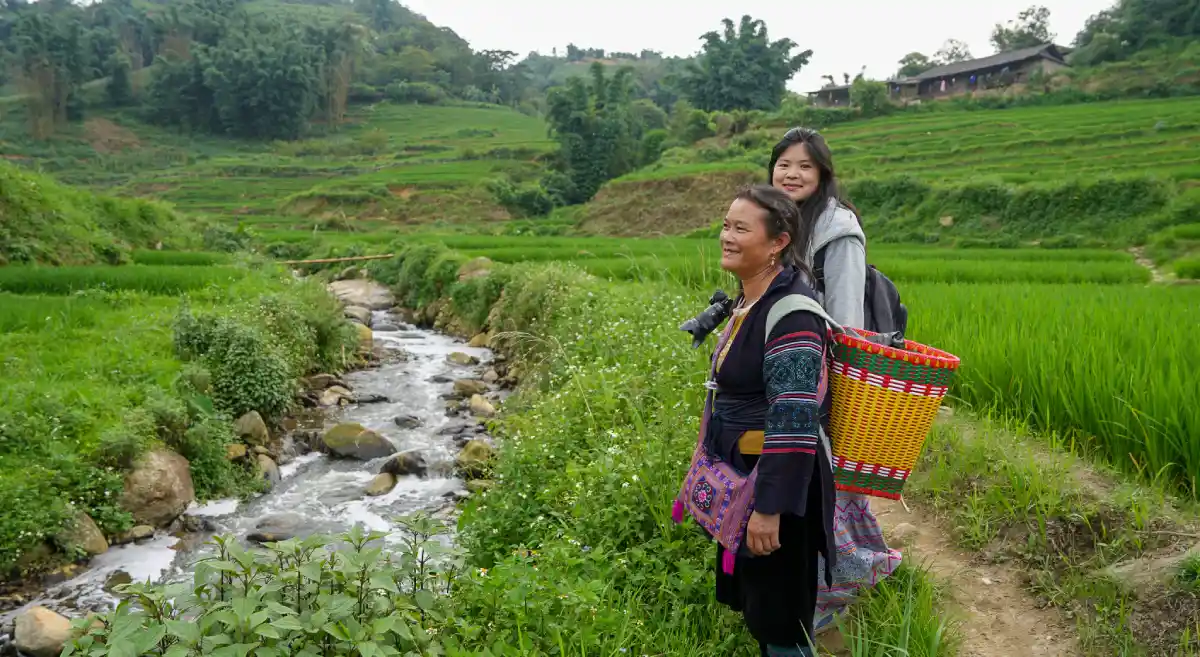
Why Take a Walking Tour in Sapa?
Sapa offers an experience unlike any other place in Vietnam. Its cool climate, cloud-kissed hills, and deeply rooted cultural traditions create a setting where every walk feels like a passage through time.
On foot, you'll explore:
Remote villages home to the Hmong, Red Dao, Tay, and other ethnic groups
Terraced rice fields that change with the seasons and stretch into the mist
Local markets, family-run workshops, and sacred spiritual sites
Unlike typical sightseeing, walking in Sapa means slowing down - listening, learning, and connecting with both the land and its people.
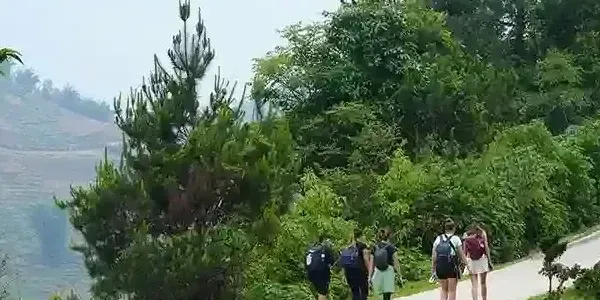
Meet the Local Guides Who Bring Sapa to Life
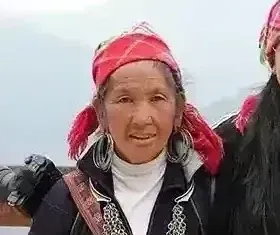
Our tours are led by Sapa's own - local young people from minority communities who grew up walking these trails. Many of them are from the Hmong and Red Dao groups, who bring generations of knowledge and tradition into every story they share.
"To walk here is to walk through our culture - not just past it." —— Chi, Red Dao guide from Ta Van Village
Their insights help you experience Sapa not as a tourist, but as a guest - one welcomed into daily life, customs, and memories of the mountains.
What to Expect on Your Walking Tour
No two walks are the same - each guide offers a personal route and story. But typical highlights might include:
Cat Cat Village - Explore Hmong traditions, handmade crafts, and mountain views
Sapa Market - A colorful showcase of textiles, herbal medicine, and daily life
Stone Church - A French colonial-era landmark at the town's center
Muong Hoa Valley - Home to dramatic rice terraces and quiet minority hamlets
Secret Viewpoints - Hidden trails locals use daily, far from the tourist crowds
Whether you're walking 2km or 5km, the goal is the same: connect meaningfully with Sapa and its communities.
Why Walking in Sapa Is Different From Anywhere Else
A Living Cultural Landscape
Sapa is home to more than 30 ethnic minority communities, each with their own dress, language, spiritual beliefs, and heritage. Walking through their villages reveals not just beautiful scenery, but centuries of tradition still alive today - from indigo dyeing and brocade weaving to ancestor veneration.
A Highland Climate Like No Other
Perched at 1,500 meters, Sapa's misty atmosphere brings rolling fog, chilly breezes, and the occasional winter snowfall. This ever-changing weather gives the region its dreamlike character - perfect for wandering with a guide who knows where the clouds clear.
An Off-the-Beaten-Path Experience
Our walks are not scripted tours. They're real journeys - often including spontaneous invitations into homes, trails not marked on any map, and stories not found in any guidebook.
A Chance to Support Ethical, Local Tourism
By joining a local walking tour in Sapa, you're directly supporting community-based tourism. The tours are free, but tipping your guide helps sustain their livelihood and preserve their way of life.

How to Join a Intro Experience in Sapa
Where: Sapa Town (meeting point confirmed after sign-up)
Duration: About 2.5 hours
Language: English, with touches of local dialect
Group Size: Max 8 people per guide
Intro walks are tip-based — see the Sapa Town Walk page for how to join.
- Book your walk now or visit our local desk in Sapa for walk-in tours.
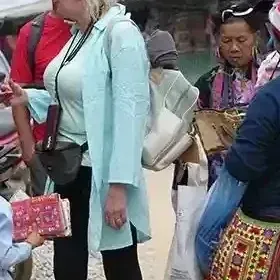
SapaTreks - Sapa Town Highlights
In a world of fast travel and touristy checklists, walking with locals gives you something deeper - a connection to people and place. From stepping through terraced valleys to sharing tea in a mountain home, your journey through Sapa will be a story of authenticity, warmth, and wonder.