
Sapa Homestay Experience: Sleeping, Meals & Village Life
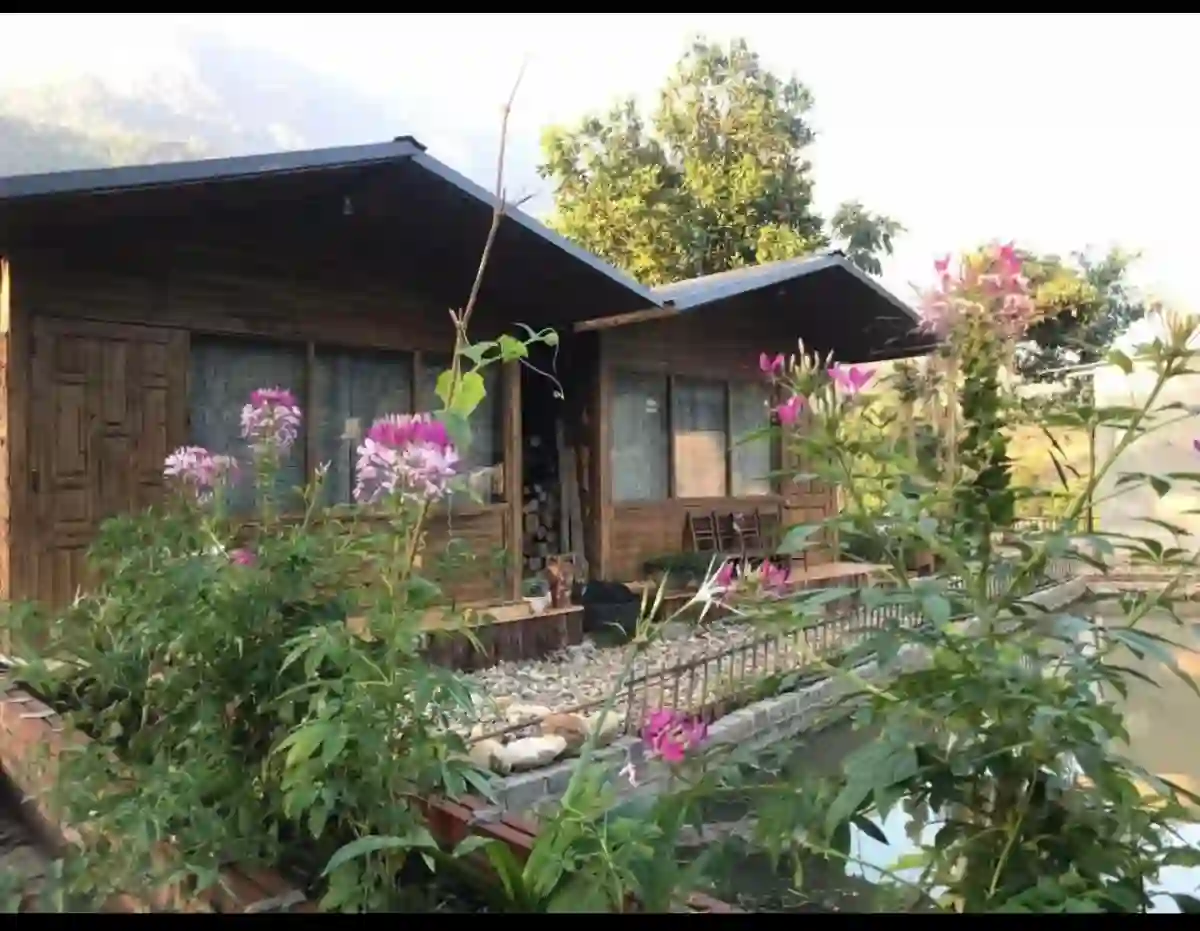
A Sapa homestay is a family home that takes overnight guests — shared rooms, communal dinners, and village rhythm — not a boutique lodge with a rustic theme. Here is what sleeping, eating, and village etiquette actually look like on our 2-Day Homestay Trek.
Local expert tips
- →
Thank the family through your guide, or bring a small gift — a homestay is someone's actual home.
- →
Pack a headtorch; homestay lighting after dark is basic.
- →
Confirm dietary restrictions at booking so the family can plan the meal in advance.
- →
Read the day-by-day itinerary before booking so day-one walking hours aren't a surprise.
- →
Evenings are cooler than Sapa town year-round — pack warmer layers for homestay nights than daytime trekking requires.
Who hosts these homestays
Homestay families are Black H'mong, Giay, or Red Dao households in villages like Ta Van and Giang Ta Chai — the same communities covered in our Muong Hoa Valley guide. Hosting income supplements farming for these families; it isn't a separate tourism business built apart from village life.
| Community | Typical host village | What you'll notice |
|---|---|---|
| Black H'mong | Lao Chai approach | Indigo dress, weaving |
| Giay | Ta Van floor | Stilt houses, rice cycles |
| Red Dao | Giang Ta Chai | Red headscarves, herbal knowledge |
Sleeping arrangements
Shared rooms with mattresses, mosquito nets, and blankets — private rooms are rare. Earplugs help light sleepers, since stilt houses carry sound.
| Amenity | Homestay typical | Sapa hotel typical |
|---|---|---|
| Room | Shared with group | Private ensuite |
| Bathroom | Shared, basic | In-room |
| Heating | Blankets, layers | AC / heater |
| Wi‑Fi | Limited or none | Usually available |
Meals with the family
Dinner is communal: rice, garden vegetables, chicken or pork, and tofu for vegetarians. Tell us dietary needs when you book, not on arrival, since the family cooks in advance for the group.
Simple etiquette
Remove your shoes at the door. Ask before photographing people, especially at close range. Your guide translates — let them handle anything sensitive rather than working around the language gap yourself.
Homestay vs hotel in town
Hotels in Sapa town offer comfort and privacy; homestays offer proximity to the terraces and a family's own stories. Many guests do a hotel before and after their trip, with the homestay in the middle — see our day-by-day itinerary for how that fits together.
Sources & references
We separate our on-the-ground experience from official tourism and operator information. Prices and routes on this site reflect our published tours — not third-party listings.
- Our experienceSapaTreks 2-Day Homestay Trek — Published inclusions for meals, the homestay night, and return transport.
- Official sourceLao Cai Portal — Provincial government portal for Lao Cai, which administers Sapa district.
Common mistakes to avoid
- ✕Expecting a private ensuite room — homestays are shared family space.
- ✕Photographing family members at close range without asking first.
- ✕Declining corn wine rudely instead of a polite decline — it's offered as hospitality.
- ✕Booking a homestay for young children without accepting shared sleeping and long day-one walks.
Frequently asked questions
- Are homestays heated?
- No central heating. Layers and blankets are provided; some homes keep a kitchen fire going in the coldest months, roughly December to February.
- Can I charge my phone?
- Power is limited in some homes — bring a charged power bank for day two just in case.
- Is alcohol offered?
- Corn wine may appear at dinner as a gesture of hospitality. It's fine to decline politely if you'd rather not drink.
- Do homestay families speak English?
- Rarely beyond a few words — your guide handles translation and introductions throughout the evening.
- How does a homestay differ from a hotel in Ta Van?
- Hotels in town or valley offer privacy and ensuite bathrooms. Homestays are family homes with shared rooms and communal meals — closer to village life, less comfort infrastructure.
- Should I bring gifts for the homestay family?
- Not required — a small gift or sincere thanks through your guide is appreciated. Avoid handing cash directly unless your guide suggests it; thoughtful items like fruit from town work well.