
Things to Do in Sapa — Authentic Experiences & Trekking
The best things to do in Sapa combine town culture, ethnic minority markets, Muong Hoa Valley trekking, and optional Fansipan summit time — most visitors anchor their trip with a local walking tour, a half-day or full-day valley trek, and at least one slow morning at the food market.

Start at Sapa Town Square and Stone Church
Sapa Town Square anchors the centre — cafés, the Stone Church, and views toward the valley rim. Our Sapa Town Walk uses this area as the meeting point before covering markets, pagodas, and Muong Hoa viewpoints.
Saturday evenings can bring Love Market traditions in season — a cultural gathering worth understanding with a guide rather than treating as pure spectacle.
Markets, street food, and local cuisine
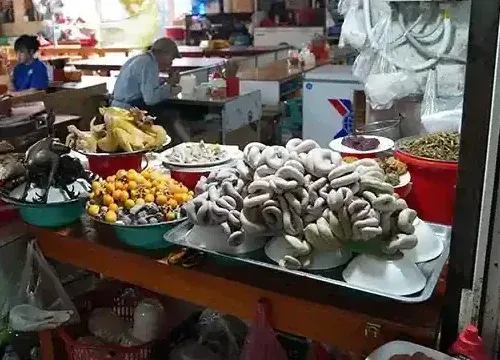
Sapa Market spreads across multiple floors — textiles, herbs, smoked meats, and a food court where H'mong and Dao vendors serve thắng cố, grilled meats, and sticky rice. Eat where locals queue; avoid generic restaurants near transport hubs with unclear sourcing.
Homestay meals on our 2-Day Homestay Trek are the deepest food experience — garden vegetables, free-range chicken, and family cooking in Giang Ta Chai or Ta Van.
Waterfalls near Sapa
Love Waterfall and Silver Waterfall are popular half-day outings from town — short forest walks with highland scenery. They pair well with a town walk day rather than your main valley trek day, when you'll want full energy for Lao Chai and Ta Van.
For motorbike access to passes and waterfalls, see our Motorbike Adventure Tour.
Trekking through villages — the essential Sapa experience
No things-to-do list is complete without Muong Hoa Valley. Options by time and fitness:
- Half-Day Trek — Lao Chai & Ta Van, finished by lunch
- Full-Day Trek — more trail time and viewpoints
- 2-Day Homestay — Giang Ta Chai overnight
- Fansipan 2D1N — summit trek, from $111/person
Compare half-day vs full-day and read the Muong Hoa Valley guide before booking.

Indigo weaving, crafts, and ethnic culture
H'mong indigo dyeing and Dao brocade appear in market stalls and family workshops. Our Countryside Walk and walking tour guide cover craft context without forced shopping stops.
Sunday travellers can add the Bac Ha Market tour for Flower H'mong market colour.

Plan a balanced Sapa itinerary
**Day 1** — Arrive, Town Walk, market dinner **Day 2** — Half-day or full-day valley trek **Day 3** — Homestay return or Fansipan / waterfall day
Check best time to visit, transport from Hanoi, and how to book safely. Verified reviews on our reviews page.
Sources & references
We separate our on-the-ground experience from official tourism and operator information. Prices and routes on this site reflect our published tours — not third-party listings.
- Official sourceVietnam National Tourism — Sapa — Destination overview and official tourism context for Lao Cai province.
- Official sourceLao Cai Portal — Provincial government portal for Lao Cai, which administers Sapa district.
Frequently asked questions
- What are the must-do activities in Sapa?
- A local town walk, a Muong Hoa Valley trek, and at least one morning at the market. Add a homestay or Fansipan if you have extra days.
- Is Cat Cat Village worth visiting?
- Cat Cat is close to town and popular, but our valley treks to Lao Chai and Ta Van offer deeper terrace scenery with fewer crowds. Many guests do both.
- Where should I eat in Sapa?
- Sapa Market food court and small local eateries where residents queue. Homestay dinners on a 2-day trek are the most authentic sit-down meal.
- Can I do Sapa without trekking?
- Yes — town walks, markets, waterfalls, and the cable car are options. But trekking is how most visitors connect with terraces and village life.