
Discovering Sapa — The Soul of Northern Vietnam
Sapa is a highland district in Lao Cai province where H'mong, Red Dao, Giay, and Tay communities farm layered rice terraces below Fansipan — Vietnam's highest peak. This guide covers the geography, cultures, and trekking routes that make Sapa the defining mountain destination of northern Vietnam.
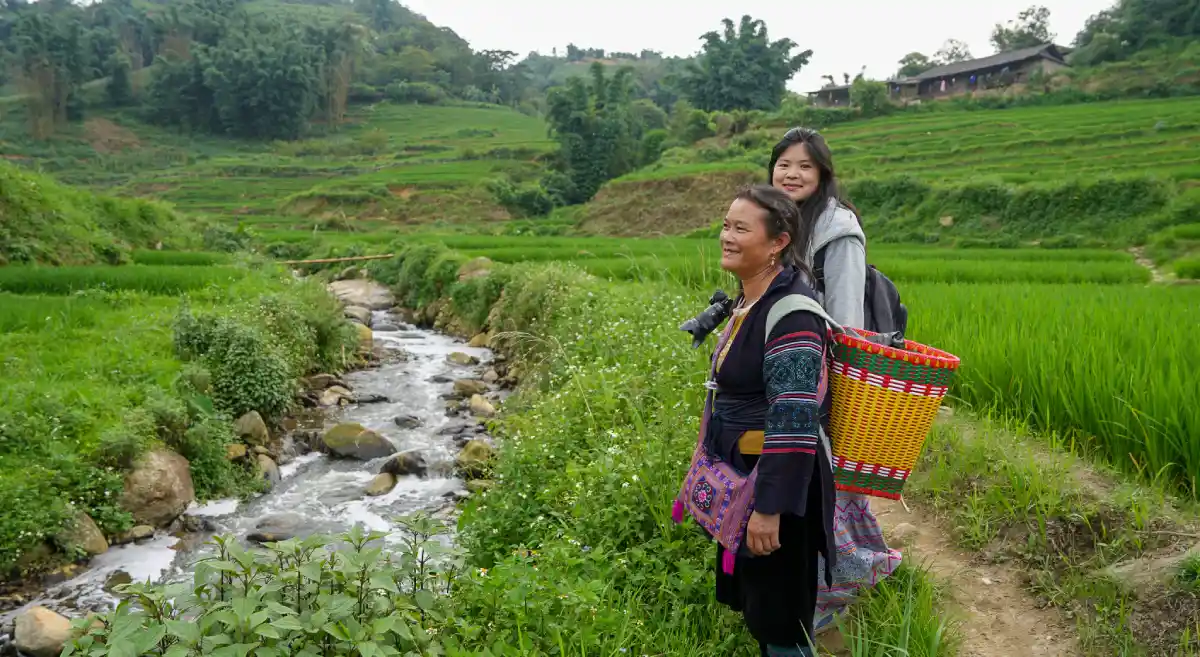
A land of terraces and cloud
Sapa's drama is immediate: cloud-covered peaks, valleys carved into rice terraces, and forest ridges dropping toward Muong Hoa (Vietnam National Tourism — Sapa). The town sits above the valley — most treks head downhill through Lao Chai and Ta Van rather than climbing technical alpine routes.
Fansipan (around 3,143 m) dominates the skyline on clear days. Summit seekers choose between the Sun World cable car and our Fansipan 2D1N Trek — compared honestly in Fansipan trek vs cable car.
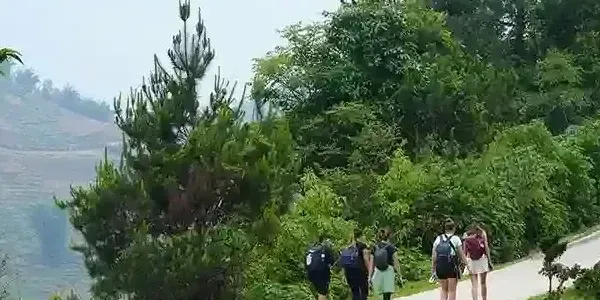
The peoples of Sapa
More than a dozen ethnic minority groups live across Lao Cai province. In the trekking valleys you'll most often meet Black H'mong farmers and weavers, Giay families in Ta Van, and Red Dao communities around Giang Ta Chai. Each group maintains distinct dress, dialect, and spiritual traditions still visible in daily work — indigo dyeing, brocade weaving, ancestor rituals.
Walking with a local guide turns these details from background scenery into lived context. Start with our Sapa walking tour guide or meet our team.
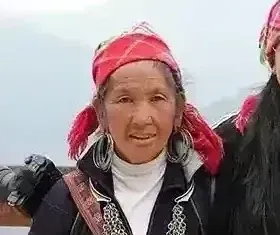
Muong Hoa Valley — the heart of trekking
Muong Hoa is the corridor where our half-day, full-day, and homestay treks all run. Ancient stone carvings sit on scattered boulders — your guide can point them out on longer routes. Read the dedicated Muong Hoa Valley trekking guide for villages, trail character, and seasonal colour.

Culture you can walk into
Markets, family workshops, and footpaths between villages reveal Sapa better than any viewpoint ticket. Stone Church, weekend market colour, and quiet pagodas anchor our Town Walk; the Countryside Walk adds Suoi Ho and Ma Tra.
For overnight immersion, the homestay experience guide explains what village sleeping and meals actually involve.

Planning your discovery of Sapa
1. **Arrive** — Hanoi to Sapa transport 2. **Orient** — Town Walk on day one 3. **Trek** — Half-day or full-day valley route; add homestay if you have two days 4. **Season** — Best time to visit 5. **Book safely** — How to book a trek
Custom itineraries for families or photographers are arranged on Custom Private Tours.
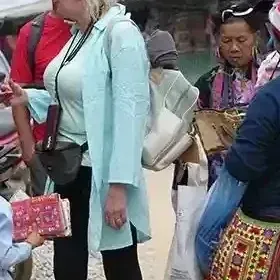
Why Sapa stays with you
Sapa rewards slow travel: a morning market, an afternoon terrace walk, an evening mist over the valley. Whether you come for adventure, photography, or cultural connection, the through-line is the same — local guides who know these mountains as home.
Browse all planning guides on Stories or email us from any tour page when you're ready to walk.

Sources & references
We separate our on-the-ground experience from official tourism and operator information. Prices and routes on this site reflect our published tours — not third-party listings.
- Official sourceVietnam National Tourism — Sapa — Destination overview and official tourism context for Lao Cai province.
- Official sourceLao Cai Portal — Provincial government portal for Lao Cai, which administers Sapa district.
Frequently asked questions
- How many days do you need to discover Sapa properly?
- Three nights is a solid minimum — arrival day, one full trekking day, and a buffer for weather or a homestay. Two nights works if you only do a half-day trek.
- Is Sapa only about trekking?
- No — markets, food, waterfalls, and town history matter too. See our things to do guide for a broader activity list alongside trekking.
- What makes Sapa different from other Vietnam destinations?
- The combination of highland climate, working rice terraces, and multiple ethnic minority cultures within walking distance of town — all in one compact district.
- Do I need a guide to discover Sapa?
- Town walks and treks are much richer with local guides who provide village access, safety on trail junctions, and cultural context you won't get from maps alone.